

 Facebook
 X
 Pinterest
 Copy Link
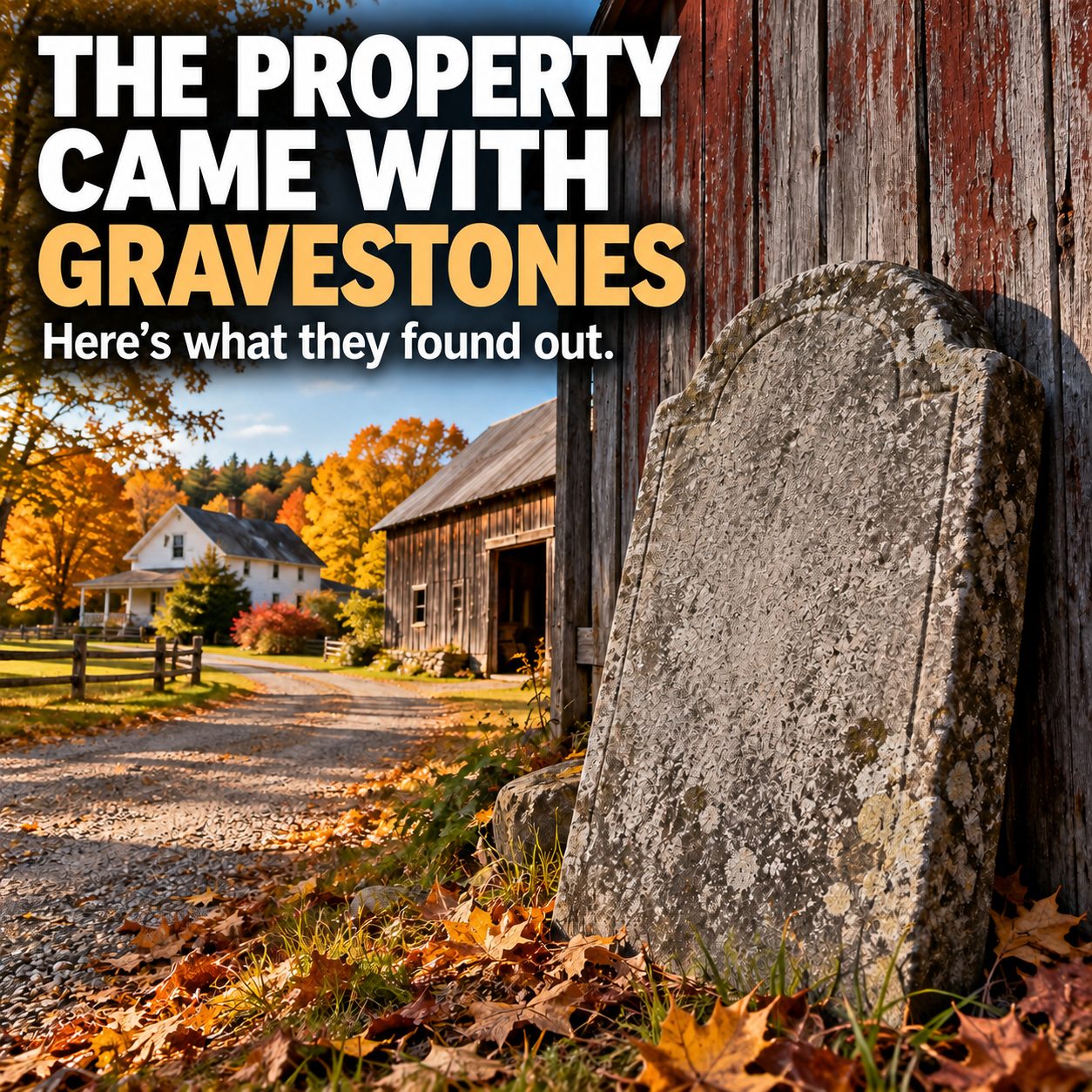
My clients bought a property with several gravestones on it. They later learned that the previous owner had owned a granite company, and the stones were misprints or leftover materials. No actual burial or human remains were reported.
That explained the gravestones, but it got me thinking: What if someone buying an old farm or another property actually did discover a burial?
It’s a fitting question for late October. But if someone encounters human remains, the situation deserves care and respect. Here’s what a Michigan property owner should know.
First, stop and call for help
If you’re digging or working on a property and uncover what could be human remains or a burial, stop work in that area immediately.
Leave the suspected remains and surrounding material undisturbed. Keep other people away, and don’t continue digging to see what else you can find. Leave documentation to the professionals who respond.
You don’t need to decide whether the remains are human, how old they might be, or who the person was. That’s a job for the appropriate authorities.
Contact local law enforcement immediately. Michigan’s administrative rule requires immediate notification to the police authority with jurisdiction when someone inadvertently discovers a burial or parts of a human skeleton. Michigan’s State Historic Preservation Office, often called SHPO, also directs people who accidentally discover human remains on private land to contact both local law enforcement and SHPO. You can find its archaeology staff on the SHPO contact page. Michigan administrative rule R 325.8051; Michigan SHPO archaeology FAQ.
Tell them what you found and follow their instructions. The important first step is to protect the area and get help—not to investigate it yourself.
Can you move a burial because you own the property?
No. Owning the land doesn’t give you permission to move human remains on your own.
Michigan law restricts the unauthorized removal of human remains, and the state’s Public Health Code addresses disinterment. What happens next depends on the circumstances. The responding officials and, when appropriate, a Michigan attorney can help determine the proper process. Michigan Penal Code, MCL 750.160; Michigan Public Health Code, MCL 333.2853.
Additional protections and jurisdictional questions may apply, including when Native American remains are involved. Private ownership alone doesn’t answer those questions. The National Park Service’s guidance describes how federal protections can depend on the land and circumstances.
A discovery could also affect plans for a driveway, foundation, barn, or other project. There may be ways to protect a site while considering the project, but changing plans can bring its own costs and complications. This is a situation where the details matter, and the right people need to be involved.
What can buyers look into before closing?
If you’re considering an older property—or acreage where you plan to build—there are a few places to start asking questions.
Deeds and title documents may contain recorded reservations, easements, or other references worth understanding. If you see something you don’t recognize, ask the title company or your attorney to explain it and provide the underlying document.
An available survey can also help you understand what has been mapped. Ask when it was prepared and what it was intended to show. A survey is useful, but it shouldn’t be treated as a guarantee that everything beneath the ground has been identified.
You can also look at local historical records. Old maps, township records, cemetery records, and materials held by a local historical society may provide useful context. SHPO can help with questions about a possible archaeological site. Michigan SHPO: reporting an archaeological site.
These checks have limits. Records can be incomplete, and an unmarked burial may not appear in any of the documents you review. The goal is to understand what’s available and follow up on questions—not to assume that a clean search proves there’s nothing there.
Start with a good question
The gravestones on my clients’ property had an explanation connected to the previous owner’s business. That’s a different situation from discovering a burial.
What I take from it is a reminder that properties can have features with stories that aren’t obvious at first glance. If something raises a question, take a closer look at the available information and ask the right people for help. A practical question can tell you a lot more than an assumption.
